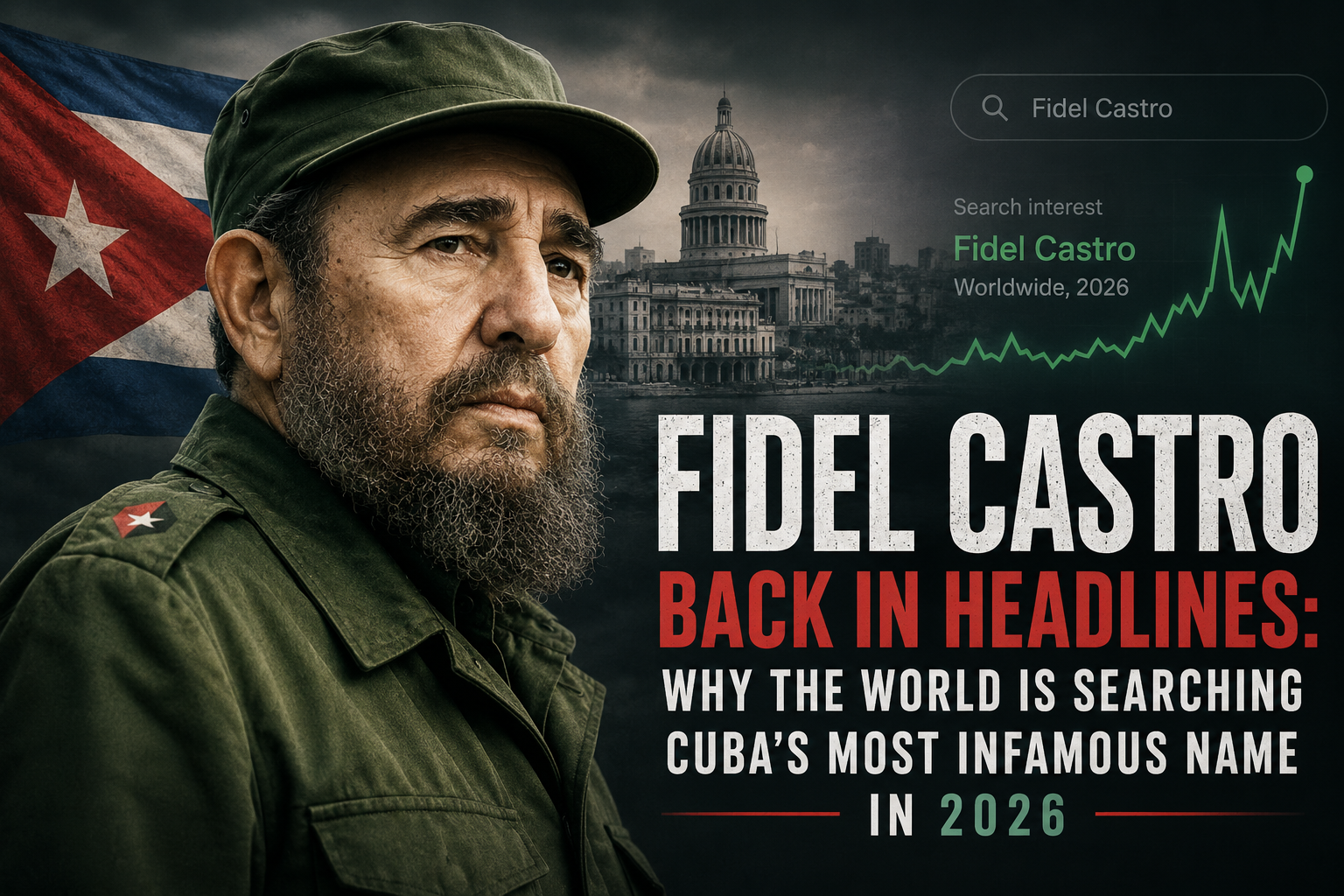
The name Fidel Castro is once again dominating global search trends — and for good reason. On May 20, 2026, the United States Department of Justice made a historic announcement that sent shockwaves through the world of international politics: former Cuban President Raúl Castro, now 94 years old, has been indicted on charges of conspiracy to kill U.S. nationals, destruction of aircraft, and four individual counts of murder.
But why is Fidel Castro trending if it’s Raúl who was charged? Because the two brothers ruled Cuba together — and the indictment alleges that every order to kill by the Cuban military was run through both Raúl Castro and his brother Fidel.
What Happened in 1996? The Brothers to the Rescue Story
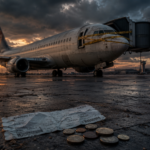
Brothers to the Rescue was a group founded in 1991 by Cuban American pilot José Basulto and other U.S.-based Cuban exiles strongly opposed to the Cuban government. The organization operated search-and-rescue flights over the Florida Straits, helping Cubans who were fleeing the island on dangerous makeshift boats and rafts.
On February 24, 1996, Cuban forces shot down two of their planes near the Cuban coast, destroying them with heat-seeking missiles. The four men killed were Carlos Costa, Armando Alejandre Jr., Mario de la Peña, and Pablo Morales.
The FBI later found that Cuban agents had infiltrated exile groups and fed information back to the Cuban government, including details about the Brothers to the Rescue’s ill-fated February 24 mission.
The Indictment: 30 Years in the Making
The Justice Department’s criminal charges against Raúl Castro represent a prosecution more than 30 years in the works, with federal prosecutors in Miami first drafting an indictment in the 1990s.
Acting Attorney General Todd Blanche announced the indictment at Miami’s Freedom Tower — a historical site that has long represented a beacon of refuge for Cubans who escaped the Castro regime and made it to Florida.
The indictment alleges that in January 1996, Raúl Castro gave official approval for using deadly force against Brothers to the Rescue.
Cuba’s Response
Cuba’s current president has pushed back strongly. Cuba’s President Díaz-Canel called the indictment “a political manoeuvre, devoid of any legal basis, aimed solely at padding the dossier they are fabricating to justify the folly of a military aggression against Cuba.”
There is no evidence that Raúl Castro has left Cuba, and the government is unlikely to allow him to be extradited.
Who Was Fidel Castro?
For readers unfamiliar with the background: The Castro brothers were leaders in the 1959 Cuban Revolution, which brought the island’s communist government to power. Fidel Castro died in 2016, having ruled Cuba for nearly five decades. Raúl Castro served as minister of the Cuban military during his brother’s decades-long reign, then took over as president in 2006 and served until 2018.
Why This Matters
Since the US abduction of Venezuelan President Nicolás Maduro in January and Washington’s subsequent takeover of Venezuela’s oil industry, the US has renewed its focus on Cuba, pushing for regime change and economic reforms. Trump has also hinted he is considering US military action if his demands are not met.
This indictment is not just about justice for four men killed 30 years ago — it is a signal of where US-Cuba relations are headed in 2026.
Conclusion
The name Fidel Castro will forever be linked to one of the 20th century’s most controversial regimes. Now, in 2026, that legacy continues to shake geopolitics as his brother faces US murder charges. Whether Raúl Castro ever faces trial remains uncertain — but the world is watching Cuba more closely than it has in years.